
Automate Annual Inspection Prep for GA Owners and Flight Schools
Automate Annual Inspection Prep for GA Owners and Flight Schools
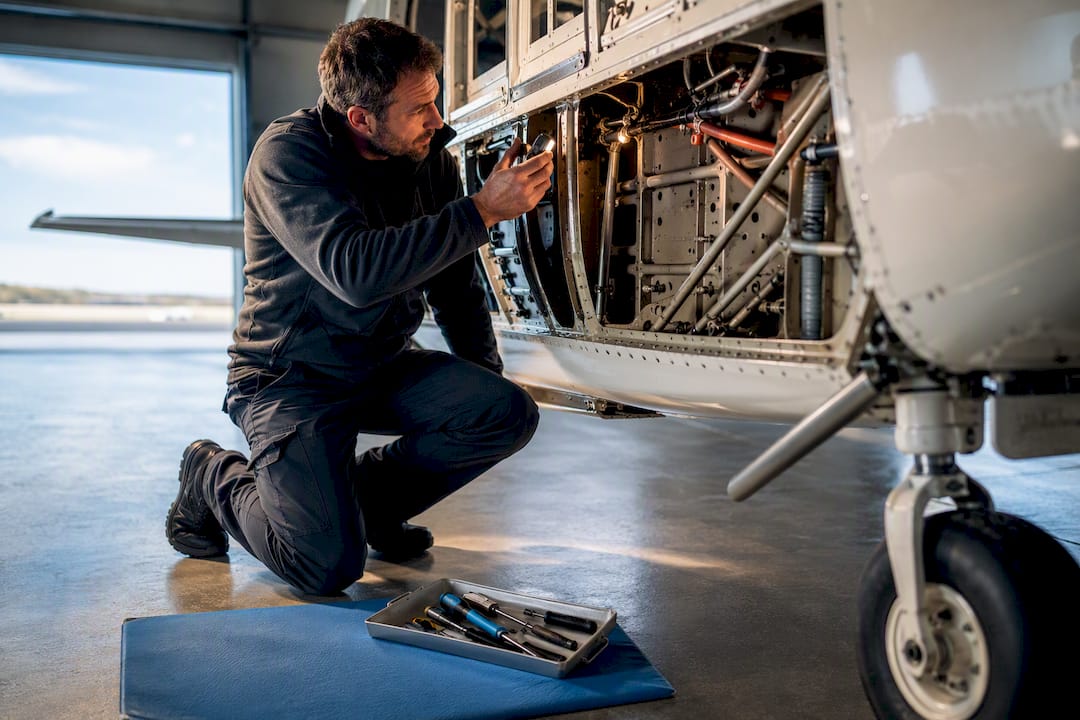
Annual inspection planning means confirming which FAA inspection program applies to your aircraft and scheduling the next inspection in your maintenance records. Do that first. Pull your logbooks, find the date and tach time of the last completed annual or progressive cycle, and calculate the due date under 14 CFR §91.409. Everything else, from records prep to shop coordination, follows from that one entry.
TL;DR:
- Owners should verify the last annual or 100-hour inspection date and tach hours, with due dates based on calendar months or elapsed flight hours.
- Preparing a current logbook set, a detailed squawk list, and supporting paperwork before drop-off reduces shop labor and inspection time.
- The inspection must be signed off by a certified Inspection Authorization holder, though owners can assist with specific tasks under supervision.
- Post-inspection, verify that all records, signatures, and approvals match regulatory requirements before resuming normal operation.
- Using digital maintenance tracking simplifies due date management, AD compliance, and recordkeeping, saving time and preventing compliance oversights.
Table of Contents
- What Do You Need to Prepare Before the Inspection?
- How Do You Determine Your Inspection Due Date?
- Who Signs Off the Inspection, and What Can You Do Yourself?
- What Happens the Day the Aircraft Goes In for Inspection?
- What Records Should You Verify After the Inspection?
- Why Digital Recordkeeping Changes the Annual Inspection Game
- Plan Your Next Annual With Less Guesswork
- Sources
What Do You Need to Prepare Before the Inspection?
The best time to start annual inspection planning is four weeks out, not four days out. Owners who show up organized routinely shave hours off shop time, according to The Flight Brief, because the inspector spends less time hunting for paperwork and more time actually inspecting the airplane.
Work through this list before you drop the aircraft off:
- Gather every logbook. Airframe, engine, propeller, and appliance logs all need to be current, along with AD compliance entries showing method and date of accomplishment.
- Confirm the last annual or 100‑hour endorsement. Check the signature, date, and tach reading against your records.
- Write a dated squawk list. Note symptoms, when they occur, and the flight conditions, so your mechanic isn’t reverse-engineering your complaint from memory.
- Clean the aircraft. Wash the belly, degrease the engine compartment, and clear out personal items and loose gear. Part 43, Appendix D actually requires cleaning before certain areas can be properly inspected.
- Collect supporting paperwork. STCs, Form 337s, POH supplements, a current weight-and-balance, the equipment list, and life-limited part records all need to be on hand.
- Set an approval threshold with your shop. Agree in advance on a dollar or time limit above which the shop must call you before proceeding.
Organizing digital copies of your aircraft maintenance logs ahead of time turns this from a scramble into a five-minute export.
Pro Tip: Keep a running squawk log year-round instead of writing it the week before the annual. Small issues caught in June are cheaper to fix than the same issues discovered and grouped together in December.
How Do You Determine Your Inspection Due Date?
Most fixed-wing GA aircraft operating under Part 91 need an annual inspection within the preceding 12 calendar months, per §91.409. Aircraft used for hire or for hire-based flight instruction, common at flight schools, also need a 100-hour inspection. Miss the 100-hour mark and the regulation gives you a 10-hour overrun allowance solely to fly to a maintenance base for the inspection, not to keep operating normally.
A few points that trip people up in annual inspection planning:
- The annual and the 100-hour inspection share the same scope under Part 43, Appendix D. A 100-hour is not a lighter version of an annual.
- Due dates run from calendar months for the annual, and from tach hours for the 100-hour, so a busy training aircraft can hit both clocks at different times.
- Progressive inspection programs replace the single annual event with shorter recurring phases, useful for flight schools running high utilization.
Getting a progressive program approved requires a written inspection procedures manual and FAA coordination, but once it’s running, due dates track against the completion of each phase rather than a single 12-month deadline. If your last annual was completed May 3, 2025, your hard due date is May 31, 2026. Progressive operators instead track the next open phase against hours flown since the last phase closed.
Who Signs Off the Inspection, and What Can You Do Yourself?
The Inspection Authorization (IA) holder makes the airworthiness determination. Nobody else can. FAA IA guidance is explicit that the IA must personally perform the annual inspection and document the findings, even on an owner-assisted job.
That doesn’t mean you’re locked out of the process:
- Know what you’re legally allowed to touch. FAR Part 43.3(g) permits owners to assist under IA supervision, and Appendix A lists specific preventive maintenance tasks, like changing oil or replacing spark plugs, you can perform solo.
- Draft a work authorization up front. Separate the base inspection fee from optional repairs, and spell out who approves work beyond the base scope.
- Vet the shop before you commit. Ask about experience with your specific make and model, request references, and get pricing in writing.
Pro Tip: A shop that won’t quote a base inspection fee separate from anticipated repairs is a shop that will surprise you on the invoice. Get that separation in writing before the aircraft goes in.
What Happens the Day the Aircraft Goes In for Inspection?
Day-of inspection runs smoothly when the groundwork is already done. Here’s the sequence:
- Hand the IA your logbooks and written squawk list, and confirm who’s performing the inspection.
- Provide access to inspection plates, cowling, and panels, most of which you should have already loosened or removed per Appendix D requirements.
- Expect an engine run check per 14 CFR §43.15, which mandates checklist-based inspection performance and specific run procedures before return to service.
- Review the discrepancy list with the IA once findings come in, distinguishing airworthy items from those that must be corrected before signoff.
Owner prep commonly trims several hours of shop labor, according to The Flight Brief, which on a typical hourly labor rate is real money back in your pocket. A written agreement on approval thresholds, discussed above, prevents the discrepancy conversation from turning into a billing dispute.
What Records Should You Verify After the Inspection?
Once the inspector signs off, your job shifts from preparation to verification. Check the approval-for-return-to-service entry against 14 CFR §§43.9 and 43.11 requirements: date, aircraft total time, description of work, and the IA’s signature and certificate number all need to be present.
From there:
- Fly a 20 to 40 minute functional check flight and a postflight walk-around before returning to normal operations, watching for leaks, unusual vibration, or avionics anomalies.
- Update your AD compliance list and life-limited part status immediately, while the paperwork is fresh.
- Store digital copies of everything for insurance and eventual resale, since incomplete records depress an aircraft’s value.
- If the aircraft wasn’t approved, your options are repair at the same shop, a legal deferral with placards or an MEL entry, or a ferry permit if the airplane needs to move to another facility for the work.
Why Digital Recordkeeping Changes the Annual Inspection Game
Most of the friction in annual inspection planning isn’t regulatory complexity. It’s logbook chaos. Owners lose track of which AD applies to which serial number, squawks get scribbled on a sticky note and forgotten, and nobody notices the 100-hour clock is ticking until the flight school’s scheduler flags it.
That gap is exactly where automated flight data import and AD cross-referencing earn their keep. When flight hours populate automatically instead of getting hand-logged, the due-date math for both the annual and the 100-hour inspection stays current without anyone opening a spreadsheet. AD tracking that flags applicability against your specific airframe and engine serials catches the compliance item a rushed pre-annual scan might miss. None of this replaces the IA’s judgment. It just means the IA spends the visit inspecting the airplane instead of untangling your paper trail.
— Trent
Plan Your Next Annual With Less Guesswork
A digital system can replace folders of paper logbooks and sticky-note squawk lists with one platform that tracks due dates, ADs, and squawks in real time. Flight data import features help automate logging, keeping hours and inspection deadlines accurate without manual entry, and AD tracking can flag compliance items against aircraft serial numbers before they become a surprise write-up on inspection day.
That maps directly onto the prep work covered above: organized logbooks, a documented squawk list, and a clear picture of where your annual, 100-hour, or progressive cycle stands going into the shop. Flight schools running multiple aircraft under a maintenance tracking system get the same visibility across an entire fleet instead of one tail number at a time.
Visit Squawkfree to start a trial and see how automated AD tracking and flight logging fit into your next inspection cycle.
Sources
- Appendix D to Part 43 — Scope and Detail of Items to Be Included in Annual and 100‑Hour Inspections
- 14 CFR §91.409 — Inspections
- FAA Inspection Authorization (IA) guidance (IA Info Guide)
- Aircraft annual inspection: what to expect (The Flight Brief)
Recommended
No credit card required · read-only after trial