
10 Questions Student Pilots Should Ask About Flight School Billing
10 Questions Student Pilots Should Ask About Flight School Billing
Most flight schools bill using one of two models: pay-as-you-go hourly rates or fixed-cost package programs, often paid in staged installments. Expect a required deposit or minimum account balance, separate charges for aircraft rental and instructor time, and clear rules on no-shows, cancellations, and unused block hours. Before enrolling anywhere, get the refund policy, expiry terms, and overage rates in writing.
TL;DR:
- pay-as-you-go models fluctuate in cost depending on lesson usage, fuel rates, and instructor fees, making budgeting unpredictable overall.
- Block-hour accounts require maintaining minimum balances, with expiry periods risking forfeiture of unused hours if not used timely.
- Fixed packages lock in a total cost but assume a steady training pace, with overage hours billed at standard rates if exceeded.
- Invoices often itemize aircraft rental, instructor fees, and additional charges such as surcharges, fees, and optional resources, which can significantly increase total costs.
- Confirming refund, expiry, and overage policies in writing is essential, especially regarding nonrefundable deposits and transferability of unused hours.
Table of Contents
- Understanding Flight School Payment Plans and Pricing Models
- How Flight Training Invoices Break Down Fees
- Deposits, Prepaid Accounts, and Block-Hour Expiry Rules
- Payment Schedules, Overage Rates, and Refund Timing
- What to Expect From Flight Training Loans and Financing
- Your Pre-Enrollment Billing Checklist
- Why Automated Billing Cuts Down on Invoice Disputes
- A Finance-Side Take on Billing Fairness
- Get Clearer, Auditable Billing With SquawkFree
- Where These Numbers and Policy Examples Came From
- Sources
Understanding Flight School Payment Plans and Pricing Models
Flight school billing generally falls into a few recognizable structures, and knowing which one you’re signing up for changes how you budget for the next 12 to 18 months.
Pay-as-you-go billing charges you after each lesson based on actual flight hours and instructor time. Rates often include fuel (‘wet’) or exclude fuel (‘dry’), affecting per-hour costs. This model suits students training part-time, since you’re never locked into hours you might not use.
Block-hour or prepaid accounts work differently. You deposit a lump sum into a school account, often several thousand dollars, and each flight draws down the balance. Many schools require you to maintain a minimum balance and top it off once it drops below a set threshold.
Fixed-cost accelerated packages, common at large academies, quote one all-in price for the full certificate track and collect payment in stages tied to training milestones rather than up front, as ATP Flight School’s Airline Career Pilot Program illustrates.
- Pay-as-you-go: flexible, but costs fluctuate lesson to lesson
- Block hours: predictable per-hour rate, but funds can expire
- Fixed packages: locked-in price, but assumes a consistent training pace
- Subscription or “resource pass” models: cover limited items like ground school or simulator time, not full flight instruction
How Flight Training Invoices Break Down Fees
A single lesson invoice rarely shows just one number. It typically itemizes aircraft rental, instructor time, and a handful of smaller charges that add up fast if you don’t watch for them.
Aircraft rental is usually the largest line item, and aggregated cost data from FlightSchoolCost shows it typically represents the biggest share of total private pilot certificate cost, ahead of instructor fees, books, and exam charges. Instructor time is billed separately, often at typical hourly rates generally ranging between lower and upper mid-tier amounts, and some schools bill for pre-flight briefings and post-flight debriefings even when the aircraft never left the ramp.
Watch for these common add-ons:
- Potential fuel surcharges beyond the quoted wet rate
- Minimum-charge rules that bill a full hour even for a 40-minute flight
- Card-processing fees of 2% to 3% on credit payments
- Separate examiner or designated pilot examiner (DPE) fees for checkrides
Pro Tip: Ask for a sample invoice from a recent student before enrolling. A real invoice reveals billing habits a pricing sheet never will.
Deposits, Prepaid Accounts, and Block-Hour Expiry Rules
Deposit and expiry language is where flight school billing policies most often work against a distracted signer. Read this section of any contract twice.
- Deposit size and refundability. Deposits commonly range from a few hundred dollars for pay-as-you-go enrollment to $5,000 or more for block-hour packages, and sample policy documents frequently list registration deposits as nonrefundable once training begins.
- Expiry and forfeiture clauses. A typical clause reads something like: “Block hours typically must be used within a defined period from purchase, after which unused hours may be forfeited; unused hours after that period are forfeited unless a written extension is granted.” If a school won’t put an extension policy in writing, treat that as a warning sign.
- Negotiation points worth raising. Ask the school to cap forfeiture at a partial amount, extend expiry windows for documented medical or work delays, and confirm in writing whether unused funds transfer to another student or family member.
Payment Schedules, Overage Rates, and Refund Timing
Staged tuition collection is standard at accelerated academies, and it usually follows a predictable sequence: a reserve fee to hold your seat, an arrival deposit due before ground school starts, then milestone draws released as you complete stages like solo flight, cross-country training, and checkride prep.
Overage charges kick in once you exhaust a prepaid block or fixed package. If your package assumed 65 hours to solo and you need 80, the extra 15 hours get billed at the school’s standard hourly rate, sometimes at a slightly higher “overage” rate than the package’s blended price.
- Refund policies commonly restrict refunds after training starts, often prorated based on flown hours
- Schools typically require a written withdrawal request and documentation for medical or military refund exceptions
- Refund processing commonly takes 30 to 60 days after the request is approved
Students training inconsistently should be especially cautious. Block packages assume a steady pace, and stretching training over years instead of months increases the odds of hitting an expiry wall before finishing.
What to Expect From Flight Training Loans and Financing
Financing changes the math on flight school tuition fees, but only if you read the loan terms as closely as the school’s own contract. AOPA’s flight training finance resources outline what most private loan products for aviation training look like.
- Private flight training loans often require a minimum credit score approximately in the mid 600s
- APR rates typically fall in the low to mid double digits for career-track flight training loans, higher than a typical auto loan
- Some financing products include origination fees or income-based repayment options, including products like the Sallie Mae Airline Career Loan
- Some lenders disburse funds in stages tied to training milestones, mirroring the school’s own payment schedule
Ask any lender directly how staged disbursements interact with the school’s refund policy. A loan that releases funds faster than the school delivers training can leave you paying interest on money sitting unused in a prepaid account.
Your Pre-Enrollment Billing Checklist
Before signing anything, translate the school’s answers into a real budget instead of a marketing brochure. Ask these ten questions and get every answer in writing:
- Is the deposit refundable, and under what conditions?
- What is the exact overage rate once a package or block is exhausted?
- How long until block hours expire, and can extensions be granted?
- What is the no-show and late-cancellation notice window, and the fee for missing it?
- How are refunds processed, and how long does payment typically take?
- Is there a rescheduling fee for weather or maintenance-related cancellations?
- Does the card-on-file incur a processing surcharge?
- What exactly is included in the quoted rate: fuel, headset rental, examiner fees?
- How is the DPE checkride fee collected, and is it separate from school tuition?
- Can you provide a sample invoice showing a real student’s monthly charges?
Once you have those answers, build a rough estimate: multiply your expected lessons per week by anticipated months to completion, then multiply by the average hours billed per lesson. That single calculation, grounded in AOPA’s cost guidance, turns a vague hourly rate into a number you can actually compare across schools. AOPA notes that the total cost for a private pilot certificate typically falls within a broad range, often in the mid to high five-digit range for students completing typical hours, though wide variation exists.
Why Automated Billing Cuts Down on Invoice Disputes
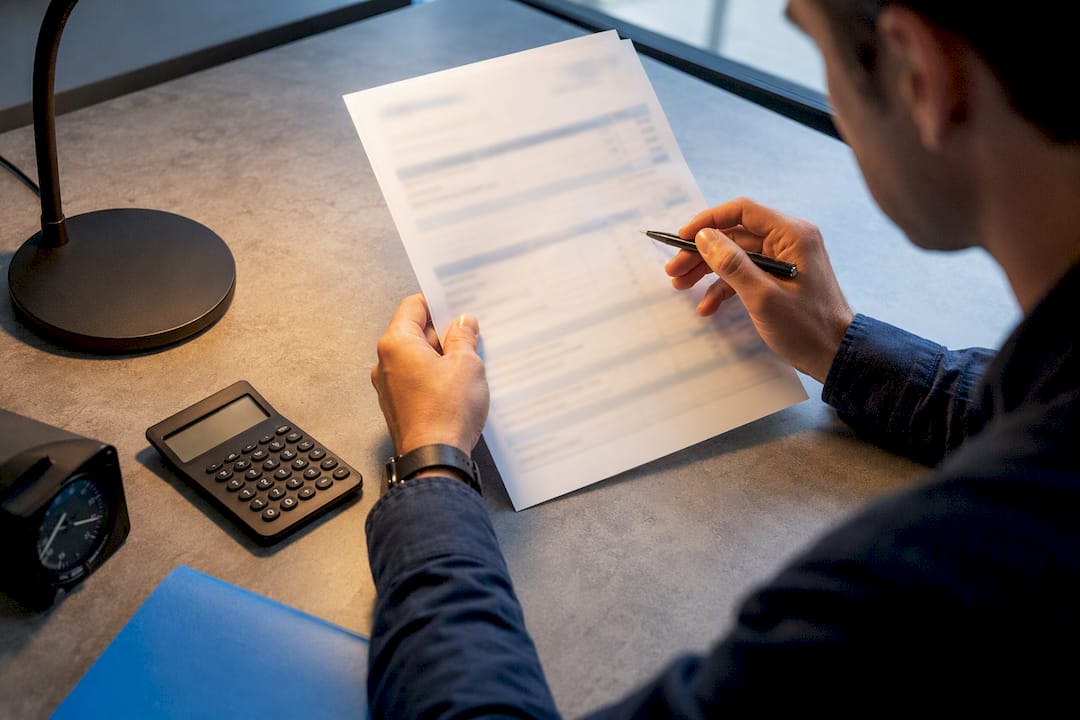
Manual Hobbs-meter logging and hand-entered invoices are where most billing disputes start. A flight gets logged late, an instructor forgets a debrief charge, and by the time the student sees the invoice, nobody remembers exactly what happened three weeks ago.
Automating flight data capture removes that gap. When Hobbs and engine-start data flow directly into an invoicing system, manual billing errors and unbilled flights drop significantly, because the record is built from the aircraft’s own data instead of someone’s memory at the end of a long flying day.
If you’re evaluating a school’s billing transparency, ask specifically for:
- Itemized invoice exports you can review line by line
- A transaction log showing account balance history over time
- Automatic top-up notifications before your account runs low
- Clear written policy on card-on-file authorization and fees
Tools like aircraft billing software built for flight schools tie scheduling, flight-data capture, and invoicing together, which is exactly the kind of flight data analytics that gives students an auditable record instead of a disputed one.
A Finance-Side Take on Billing Fairness
Students get burned less often by high rates than by vague contracts. Train consistently, ask for a sample invoice before you sign anything, and budget a cushion for at least one no-show fee and a few overage hours. Schools benefit just as much from clarity: publishing a sample billing flow and writing refund and expiry terms in plain language heads off the disputes that eat staff time and damage word-of-mouth reputation.
— Trent
Get Clearer, Auditable Billing With SquawkFree
A digital platform gives flight schools a faster path to transparent billing than spreadsheets and manual Hobbs logs ever could by auto-importing flight data straight from the aircraft, so instructor time and aircraft usage post to student accounts without anyone re-typing a log entry days later.
That automated capture feeds directly into itemized invoice exports, scheduling, and dispatch, so students can see exactly what they’re being billed for and administrators spend less time chasing down disputed charges. Pair that with a clear no-show fee policy and scheduling software that ties bookings to billing in real time, and both sides of the transaction get the same record. Schools looking to formalize policy language can also review this no-show fee policy guide for enforceable wording that holds up when a student pushes back.
If your school still reconciles invoices by hand, visit the SquawkFree product page to see how Flight Intelligence and billing analytics work together, and request a demo to see it against your own fleet data.
Where These Numbers and Policy Examples Came From
- AOPA’s pilot license cost guidance for total certificate cost ranges
- ATP Flight School’s cost page for staged fixed-cost billing examples
- Orlando Flight School’s policy PDF for sample deposit and expiry clauses
- FlightSchoolCost’s aggregated data for hourly rate and refund practice benchmarks
Always confirm binding terms against the specific school’s own published billing policy document before signing anything.
Sources
- Pilot license cost guidance (AOPA)
- Airline Career Pilot Program cost page (ATP Flight School)
- Orlando Flight School policy PDF (sample policy language)
- FlightSchoolCost aggregated cost reference
Recommended
No credit card required · read-only after trial